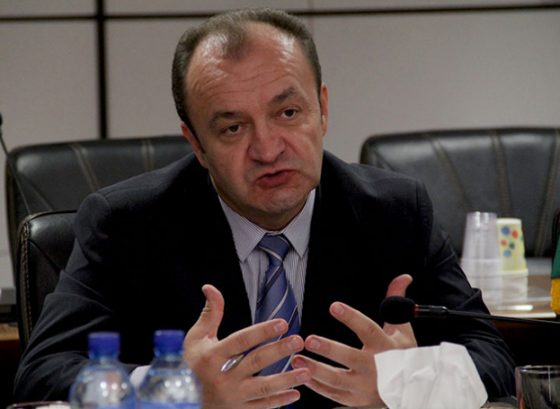
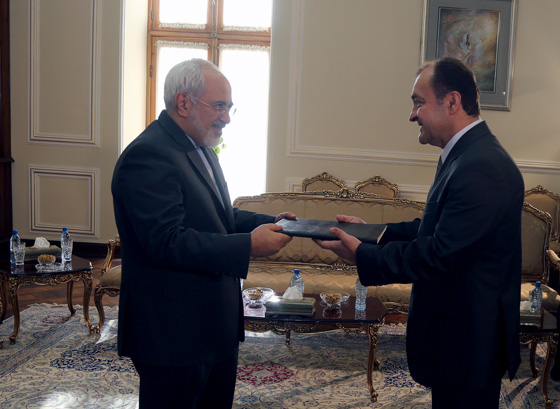
Hungarian ambassador: Tehran, Budapest need to rediscover each other
- Uncategorized
admin
- 0
- 6 minutes read
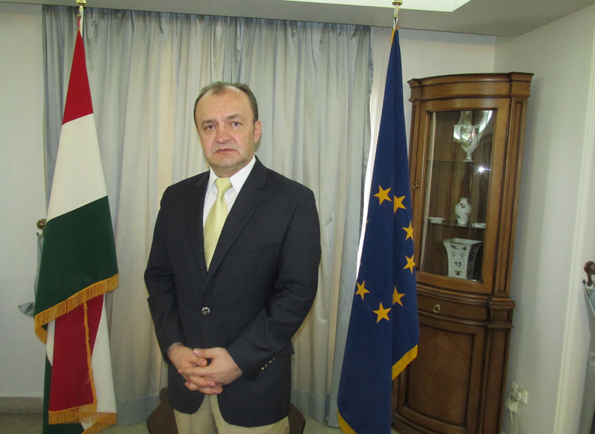
Iran and Hungary have to rediscover each other to be able to make considerable progress in developing economic ties, said the Hungarian ambassador to Iran, AVA Diplomatic reports.
Speaking in an exclusive interview with Tehran-based English newspaper Iran Daily, Janos Kovacs added this is because at the time of international sanctions against Iran, opportunities in this regard were very limited. He said the two countries are straining every nerve and sinew to bolster mutual ties.
Commenting on his activities in Iran since he took office in 2015, Kovacs said, “I arrived in Iran to start my mission two weeks after the conclusion of the July 14 nuclear deal between Iran and the P5+1 in Vienna, Austria, which was the best period possible.”
“I began my activities by preparing the grounds for the official trip of Hungarian Prime Minister Viktor Orbán to Iran who visited the country during November 29-December 1, 2015.”
He said this visit is an indication of the two countries’ efforts and determination to develop ties and their present level of relations.
Kovacs stressed that Orbán was the first prime minister and second senior official visiting Iran from the European Union following the July 14 agreement.
Commenting on political ties between the two sides he said the political relations between Iran and Hungary are really great, adding the two countries have never had any problems with each other even during the so-called period of tough sanctions.
“Although the sanctions had obviously imposed limitations on the enhancement of cooperation, during that period, we did our best to find ways to continue our collaboration. Hungarian-Iranian relations date back to a long time.”
Kovacs said Iran’s embargoes may not have harmed Hungary’s economy directly due to the relatively low level of economic cooperation between the two countries, but it certainly deprived Budapest of a large number of opportunities, which is a harm as well.
“Now that all the doors and windows are open, we are required to take maximum advantage of the current opportunities to develop mutual relations.”
During his two-day visit, Orbán was accompanied by a large delegation comprising 120 Hungarian businessmen and entrepreneurs, he said.
“Tehran and Budapest plan to hold the first session of their joint economic commission in Hungary in early fall (September or October). During the prime minister’s visit, the two sides signed a number of economic cooperation documents. The first session of Iran-Hungary joint economic commission will definitely give a great push to their economic relations.”
He stressed that the great enthusiasm of the Hungarian government and the country’s private sector entrepreneurs and businessmen to expand economic cooperation with Iran and improve trade ties are clearly evident from the prime minister’s visit, the number of traders accompanying him and Budapest’s determination to hold the first session of the joint economic commission.
“To bolster economic ties, we have to learn each other’s trade mechanism and how to work together, tap each other’s potentials and utilize the trade opportunities provided by the going into effect of the Joint Comprehensive Plan of Action.”
Although, currently, there is an intense competition among European countries for Iran’s market, some Hungarian companies are about to sign concrete agreements with their Iranian counterparts.
Regretting the relatively low level of transactions between the two countries at the time being, Kovacs said trade between Tehran and Budapest stood at about $500 million per year in the mid-80s, which was quite satisfactory at that time given Hungary’s size and small number of natural resources.
Since then, little by little, mutual trade between the two sides suffered some setbacks due to different reasons such as Hungary’s shift from its pervious socialist-communist regime to market economy and the establishment of the country’s social-democratic political party as well as international sanctions on Iran.
“However, all these changes were just temporarily barriers to development of our mutual relations. We have to reestablish economic relations. When a country is in a period of transitions, its cooperation with other countries suffers some setbacks.”
“In case we could continue improving the economic cooperation we had in 80s in a normal way, it could have reached billions by now.’
Currently, he said, trade between the two country stands at $30 million per annum the balance of which is in Hungary’s favor.
The Hungarian ambassador urged both countries to keep the present level of their high-level contacts and continue exchanging senior officials, such as experts deputy ministers and members of the chambers of commerce, and high level delegations at a regular basis, to maintain their present level of political relations.
“Iran and Hungary have a very good intercity cooperation. A number of sisterhood agreements have been signed between the two countries’ cities such as Tehran and Budapest, Yazd and Jászberény and Shiraz and Pécs. Some others are ahead.”
Kovacs said Iranology is among the courses which has been taught at Hungarian universities since 100 years ago, adding in addition, Hungarian students show great interest in Persian language and history and a large number of them study theses two courses at universities.”
He concluded that people to people diplomacy helps a lot in developing mutual ties, adding he sees a very bright future in relations between the two countries.