UNESCO organizes four-day consultative meeting on literacy assessment in I.R. Iran
- Uncategorized
admin
- 0
- 4 minutes read
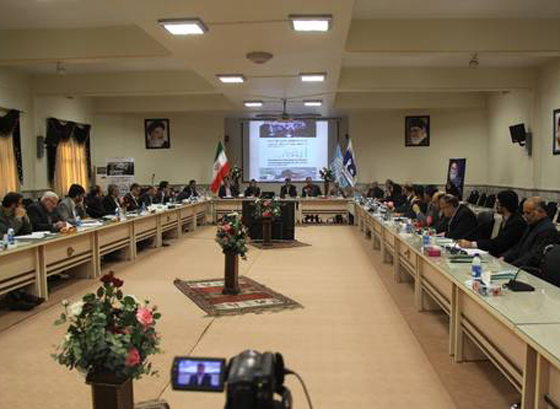
From 14-18 November 2015, the UNESCO Tehran Cluster Office organized a 4-day consultation meeting to explore feasible approaches to assess different levels of functional literacy in the Islamic Republic of Iran, AVA Diplomatic reports.
The meeting was co-hosted by the Literacy Movement Organization and brought together Government representatives from the Ministry of Education, the Statistical Centre of Iran, the Ministry of Interior, the Management Planning Organization and academia. The discussions were facilitated by Mr. Shailendra Sigdel from the regional office of UNESCO’s Institute of Statistics (UIS) in New Delhi, India.
Since 2003, UNESCO’s Institute for Statistics has been actively involved in elaborating innovative approaches and tools to measure the literacy levels of individuals to support decision makers around the world in developing evidence-based policies and solutions.
UIS is also responsible for monitoring international literacy targets associated with the Sustainable Development Goals (SDGs) and other globally accepted frameworks for action.
In most countries, including Iran, literacy statistics are based on self-reporting. During the national population census people are asked whether or not they can read and write. If they answer “yes” they are considered to be literate. If they say “no”, they are considered illiterate. However, while these conventional statistics are useful for benchmarking progress globally, they do not reflect the full spectrum of skills associated with reading and numeracy, which are required in this 21st century.
Therefore, upon the request of the Literacy Movement Organization, the UNESCO Tehran Cluster Office organized this 4-day consultation meeting to explore new ways of defining and assessing literacy levels in Iran.
The event was opened by Mr. Ali Bagherzadeh, Deputy Minister of Education and Head of the Literacy Movement Organization of the Islamic Republic of Iran, Ms. Hoda Jaberian, Education Officer of the UNESCO Tehran Cluster Office, and Mr. Alireza Zahedian, Deputy of the Statistical Centre of Iran.
During his opening speech, Mr. Bagherzadeh talked about Iran’s achievements in literacy training and highlighted the objectives of the meeting. He explained that the census-based statistics provide general policy-level information but do not provide the Literacy Movement Organization with the more specific information required to develop effective action plans targeting different segments of the population.
Ms. Hoda Jaberian expressed her appreciation to the Government of I.R. Iran for co-hosting this important event and talked about the importance of functional literacy given that modern technologies have become part of our daily lives. “Literacy assessment is a key intervention to provide the diagnostic information required to monitor and improve literacy skills. UNESCO promotes adopted solutions that correspond to contextual needs and will allow countries at all stages of development to measure a full range of reading and numeracy skills among diverse target groups”, she said. “The key objective of this consultative meeting is to create and build on a brainstorming forum that reviews and bring together technical inputs from educational and statistical experts towards a feasible tool that could address the need of literacy assessment in I.R. Iran”.
Mr. Zahedian presented an update on results from previous population census in the field of literacy and highlighted the recently conducted test surveys for the upcoming census. He closed his speech by underlining the willingness and commitment of the Statistical Centre of Iran to support and partner with the Literacy Movement Organization and UNESCO in their initiatives focused on literacy assessment.
By the end of the fourth day, participants and representatives from all Government entities finalized three feasible scenarios for a literacy assessment project in Iran. The recommended options were submitted to senior policy makers in the Literacy Movement Organization for their review.